La notion de « rouge » dans l'univers ligérien et la culture du framboisier sauvage (Rubus strigosus) soulèvent des questions fascinantes sur la richesse de notre patrimoine naturel. Si les vins rouges de la vallée de la Loire sont définis par leur fraîcheur, leurs fruits rouges croquants et leurs tanins raffinés, ils partagent avec le monde végétal une identité aromatique profonde. Cet article explore la dualité entre l'excellence viticole du Val de Loire et les caractéristiques botaniques du framboisier rouge, souvent évoqué dans les notes de dégustation des plus grands crus de la région.
Les fondamentaux des vins rouges de Loire
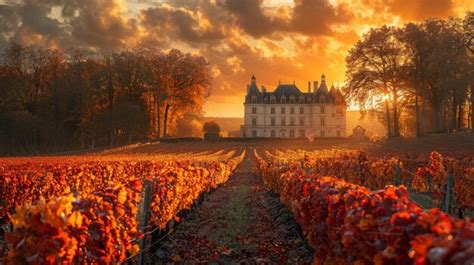
From the Atlantic coast to the slopes of the Loire, Anjou and Saumur, Touraine and Blois, red wine from the Loire Valley is defined by its freshness, crisp red fruit and refined tannins. Here, Cabernet Franc reigns supreme, supported by Gamay, Pinot Noir, Côt (Malbec) and Pineau d'Aunis. Loire reds? Red wines with a fruity and light profile, as well as more full-bodied and structured vintages. Renowned appellations include Chinon, Bourgueil, Saint-Nicolas-de-Bourgueil, Saumur-Champigny, Saumur, Touraine… and lesser-known ones such as Saumur Puy Notre-Dame, Anjou Rouge, Coteaux du Loir and Vendômois, not to mention the Val de Loire PGIs.
Schist, tuffeau and alluvial terroirs give rise to unique styles, produced by committed wineries, cooperative cellars and estates. A red wine is made from black grape varieties whose skins naturally color the juice during maceration. In the Loire, this transformation takes many different forms, depending on terroir, grape variety and winemaker know-how. Red wines from the Loire are distinguished first and foremost by their freshness and balance. The river's temperate climates and soils of tuffeau, clay, schist or sand favor cuvées full of red fruit (cherry, raspberry, redcurrant), often marked by floral or spicy notes.
La diversité des styles : de la légèreté à la structure
Two main styles dominate: The light, fruity red wines, on sandy terroirs. These supple, approachable wines are best enjoyed young, on the fruit, often at a slightly chilled serving temperature. The powerful, tannic red wines, produced on more clayey or chalky soils, and sometimes barrel-aged. They offer notes of black fruit, spice and wood, with a long finish. Whether produced organically or conventionally, IGP Val de Loire or AOP, Loire reds express the typicity of a territory where fruit often takes precedence over tannin, without losing character.
Fruity, easily digestible red wines, perfect for accompanying vegetarian dishes, grilled meats, roast poultry or mature cheeses. The richness of Loire red wines lies in the diversity of grape varieties, adapted to each terroir and style. While Cabernet franc largely dominates, other varieties such as Gamay, Côt (Malbec) or Pineau d'Aunis contribute to the unique personality of Loire reds.
La vinification : une étape cruciale
Le Cabernet Franc : l'emblème de la finesse
Cabernet Franc, the emblematic grape variety of the Loire. Original to the southwest but in full bloom in the Loire, Cabernet franc gives rise to some of the finest red AOCs: Chinon, Bourgueil, Saint-Nicolas-de-Bourgueil and Saumur-Champigny. It is distinguished by its ruby color, red fruit aromas (raspberry, cherry, redcurrant) and vegetal or spicy notes, depending on the vintage. On the palate, the fine tannins and freshness of the Cabernet franc provide remarkable balance. Red wines from this grape variety, often produced on tuffeau, reflect all the finesse of Loire terroirs.
Gamay, Côt et Pineau d'Aunis : les complices du terroir
Gamay, gourmandise and lightness. Grown mainly in Touraine, Gamay produces fruity, supple red wines. With their red fruit notes and freshness, these wines are best enjoyed young, sometimes slightly chilled. Côt (Malbec), depth and structure. Present in particular in AOP Touraine-Amboise, the only Loire appellation to produce 100% Côt red wines, this grape variety also expresses itself in AOP Touraine or Anjou, most often in blends. Côt brings color, substance and tannins, with notes of black fruit, plum or licorice that reinforce the profile of the most structured cuvées.
Pineau d'Aunis, the grape variety with character. Pineau d'Aunis is very present in the Vallée du Loir, expressing a lively style marked by peppery notes. In the Vendôme region, it is used to make a number of red wines, with many estates producing 100% Pineau d'Aunis. Each appellation reveals a unique expression according to soil, climate and the work of Man.
Le Framboisier rouge : une espèce indigène aux multiples facettes
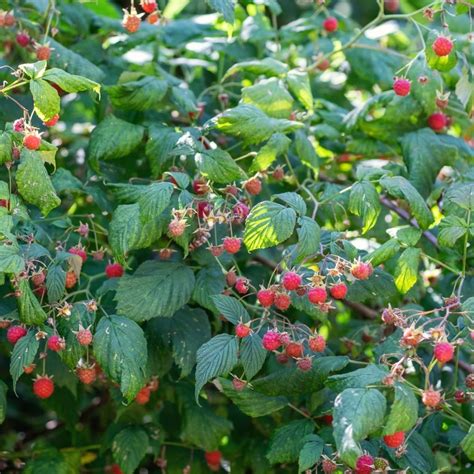
Si le vin rouge évoque la framboise par ses arômes, le framboisier rouge (Rubus strigosus) est une réalité botanique bien distincte. Le framboisier rouge est une espèce vivace, indigène au Canada. La tige a un port dressé à décombant et mesure de 100 à 150 cm de longueur. Elle est plus ou moins couverte d’aiguillons. Ces derniers ont une base élargie et mesurent de 1 à 4 mm de longueur. Les tiges sont bisannuelles : elles sont végétatives la première année et produisent des fleurs et des fruits la deuxième année.
Les feuilles sont alternes sur la tige. Celles des tiges végétatives sont composées de 5 folioles et celles des tiges florifères sont composées de 3 folioles. Les folioles sont de forme ovée à lancéolée et mesurent de 7 à 15 cm de longueur et de 4 à 11 cm de largeur. La base du limbe est arrondie à cordée, la marge est irrégulièrement dentée et l’apex est acuminé. La face inférieure des folioles est blanchâtre. Des stipules sont présentes au point d’insertion du pétiole sur la tige. L’inflorescence est une grappe terminale courte qui contient de 2 à 7 fleurs. Ces dernières sont composées de 5 sépales et de 5 pétales. Les pétales sont blancs, de forme obovée à elliptique et mesurent de 5 à 10 mm de longueur.
Écologie et culture du framboisier
Le fruit est globuleux et composé de 10 à 60 petites drupes rouges qui sont soudées ensemble. Il mesure de 0,5 à 2 cm de longueur. Le framboisier rouge est une espèce retrouvée dans les lieux incultes et les endroits perturbés, comme les pâturages, les vieux champs et le bord des routes. Il est aussi retrouvé dans les chemins de forêts et infeste rapidement les forêts perturbées. Il peut également causer des nuisances dans les champs de canneberges. La plante préfère les milieux bien drainés, ouverts et ensoleillés. Le framboisier rouge peut être confondu avec d’autres espèces du genre Rubus.
Pour la culture domestique, le plant est livré en motte dans un carton tube. Plantation : Faites 1 trou de plantation en y rajoutant du fumier ou compost bien décomposé. Enterrez l'arbuste profondément, tassez bien et arrosez. Pour la taille, rabattez à mi-hauteur les rameaux partant de la base pour leur donner de la vigueur. Puis chaque année, taillez les branches à longueur égale. Récolte : De 3 à 5kg par pied à partir de la 2éme année après plantation. Cueillez les grappes dès que les fruits sont bien colorés. Utilisation : Fruit moyennement énergétique, très riche en vitamine C, en potassium. La framboise est un fruit d'une rare délicatesse, recherchée pour son parfum.
Les appellations emblématiques de la Loire
Chinon: located in Touraine, the Chinon terroir offers reds full of red fruit (cherry, raspberry), supple or full-bodied depending on the area. The old vines on tuffeau produce elegant, long-keeping cuvées, often prized by connoisseurs. Bourgueil : on the right bank of the Loire, Cabernet franc expresses itself with power and depth. The tuffeau and gravel soils produce fruity reds with notes of black fruits and spices. Saint-Nicolas-de-Bourgueil : lighter and more gourmet, the wines of this appellation seduce with their aromas of fresh red fruits and their Loire freshness.
Saumur-Champigny : the benchmark for Loire red wine, it embodies the red, fruity style of the Saumur tuffeau. Its red fruit notes and silky texture make it an emblematic red. Anjou-Villages and Anjou Brissac: more structured wines, often marked by an intense color, assertive tannins and a long finish.
Terroirs et diversité géographique
The Loire is distinguished by a broad mosaic of soils: Tuffeau and chalk around Saumur, which produce elegant, supple wines. Gravel and sand in Touraine, favoring light, perfumed reds. Shale and clay in Anjou, bringing structure and depth. North and south of the Loire, the oceanic then continental climate shapes varied profiles: fresh, fruity reds in the west, more powerful and full-bodied in the east. The red wines of the Loire, the promise of a journey between freshness and character. With their varied terroirs, they offer a palette that ranges from light, fruity reds to denser, more structured wines suited to prolonged cellaring.
Accords mets et vins : l'art de la table ligérienne
Each bottle has its secrets, and above all, its perfect occasion. Among the must-haves is Saint-Nicolas-de-Bourgueil. Ideal for those who like fresh, supple reds, it's appreciated for its lightness and fruity aromas of cherry and raspberry. Envy of a fuller-bodied red? The Bourgueil, with its intense red and black fruit flavors, embodies the generosity of Loire red wines. And the Chinon? Both elegant and well-balanced, it seduces with its blackcurrant and redcurrant notes. Young, it plays the freshness card. With age, it reveals deeper aromas of spices and stewed black fruit. Our advice: decant a young Chinon to soften its tannins and decant an old vintage to sublimate its complexity.
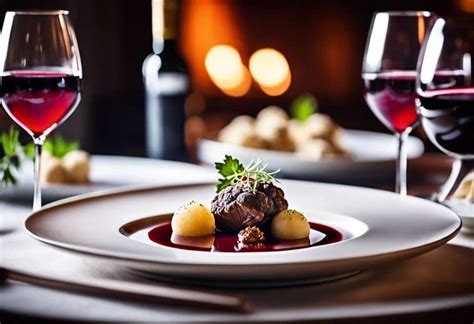
The Saumur-Champigny, like most Loire Valley wines, embodies elegance. Beneath its luminous garnet color lie aromas of violets, red and black fruits. Like white wines, Loire red wines can sublimate a multitude of dishes. From light, fruity cuvées to powerful, tannic reds, they lend themselves equally well to simple meals and festive occasions. What dish with a powerful, tannic red wine? The powerful, tannic red wines, such as Chinon or Bourgueil, offer great structure. They are the perfect accompaniment to red meats, whether grilled or stewed. With a lightly aged Chinon (3-4 years), you'll get a perfect match between its elegant tannins and the meat's melt-in-the-mouth texture. For dishes like roast turkey or capon, turn to a Bourgueil that blends ripe fruit and light woody notes, for a harmonious, gourmet result. Hungry for a comforting dish that will warm up long winter evenings? A Saumur-Champigny will bring roundness and freshness to gratins, raclettes and fondues.
Service, dégustation et conservation
The light, fruity red wines from the Loire, pair ideally with delicate dishes. Coteaux du Vendômois, with its notes of red fruits enhanced by red spices, creates a harmonious pairing with poultry and white meats, enhancing their flavors gently. Tasted with vegetarian dishes, the aromatic notes of Saint-Nicolas-de-Bourgueil will flatter the palate with lightness and freshness. To enhance the taste of blue-veined or hard cheeses, there's nothing like the round, silky wines of Touraine (Touraine Amboise, Touraine Chenonceaux, Touraine-Mesland). They bring a lovely freshness that contrasts with the generosity of the melted cheese.
The red wines of the Loire are a true delight for the senses. To savor their full richness, serving temperature is essential. Too hot, it accentuates the tannins and hides the aromas. For light, fruity wines, a little cooling (12-14°C) will bring out the freshness of the fruit. For fuller-bodied reds, serve at 15-17°C to release the full complexity of flavors. The glass also plays an important role. Choose a red wine glass with a slightly narrow opening: it will concentrate the aromas so you can better appreciate them. An elegant glass, neither too large nor too massive, will make all the difference. Before savoring, take a moment to observe the wine's color. From crimson to ruby, each color says a lot about the grape variety and age of the wine. On the nose, let the aromas surprise you: red fruits such as cherry or raspberry for young wines, black fruits and spices for older vintages.
Évolution et maturation du vin
Depending on grape variety and vintage, the color can range from light ruby red to deeper garnet hues. A ready-to-drink red wine from the Loire region features fresh aromas of red fruit, such as raspberry or strawberry, that reveal themselves with the first sip. A ruby or purplish-red color, combined with supple tannins and a lovely lightness, results in a wine that's easy to enjoy, all about freshness. The vins de garde, on the other hand, present a more evolved color, melted tannins and complex aromas of undergrowth or spices. After a few years in the cellar, they reveal all their richness. No matter how old they are, balance and freshness remain the watchwords for Loire reds ready to be savored!
Most Loire red wines taste perfectly between two and five years. The Chinon and Bourgueil, in particular, gain in complexity after 8 to 10 years, as do some Saumur which continue to improve. For those who prefer younger wines, light, fruity reds are ideal in the first two years after bottling, offering freshness and vivacity. Maturation is the secret behind the evolution of Loire red wines. It refines their structure, exalts their aromas and gives them that stability that makes all the difference. After alcoholic fermentation, malolactic fermentation comes into play to soften the wine, making it rounder and more stable. As for ageing, it's mainly done in vats, but sometimes a stint in oak casks or foudre for the more daring, to give body and complexity.
Synthèse des cépages et spécificités
The Cabernet Franc, the emblematic grape variety of Chinon, Bourgueil, Saint-Nicolas-de-Bourgueil, Saumur and Saumur-Champigny, stands out for its ability to produce fruity, structured wines. The Cabernet Sauvignon, rarer in the Loire, is found especially in the Anjou-Villages and Anjou-Brissac, where it brings power and color. The Côt (or Malbec), a typical Touraine grape variety, is distinguished by robust, deep wines, especially in the Cher valley. Often combined with Cabernet Franc or Gamay, it offers balanced, aromatic blends. Pineau d'Aunis brings its unique touch to appellations such as Coteaux-du-Loir. This grape variety, with its spicy, peppery soul, produces fresh, vibrant wines that invite you to discover another aspect of the Loire terroir. Gamay, meanwhile, is a flagship grape variety in Touraine and the Nantais vineyards.
Sarcler les plants dès la première année de croissance des pousses végétatives. Le travail du sol fragmente les rhizomes et peut stimuler la production de nouvelles pousses s’il est effectué une seule fois. Cette rigueur agronomique, nécessaire à la gestion des framboisiers sauvages comme à celle des vignes, témoigne du soin apporté à la terre. Que ce soit par la culture du Rubus strigosus ou par la vinification des grands cépages ligériens, le respect du cycle naturel reste le garant d'une qualité authentique et d'une expression fidèle du terroir, qu'il soit destiné à la table ou à la dégustation vinicole.